
Chimney Liner Repair in Clifton
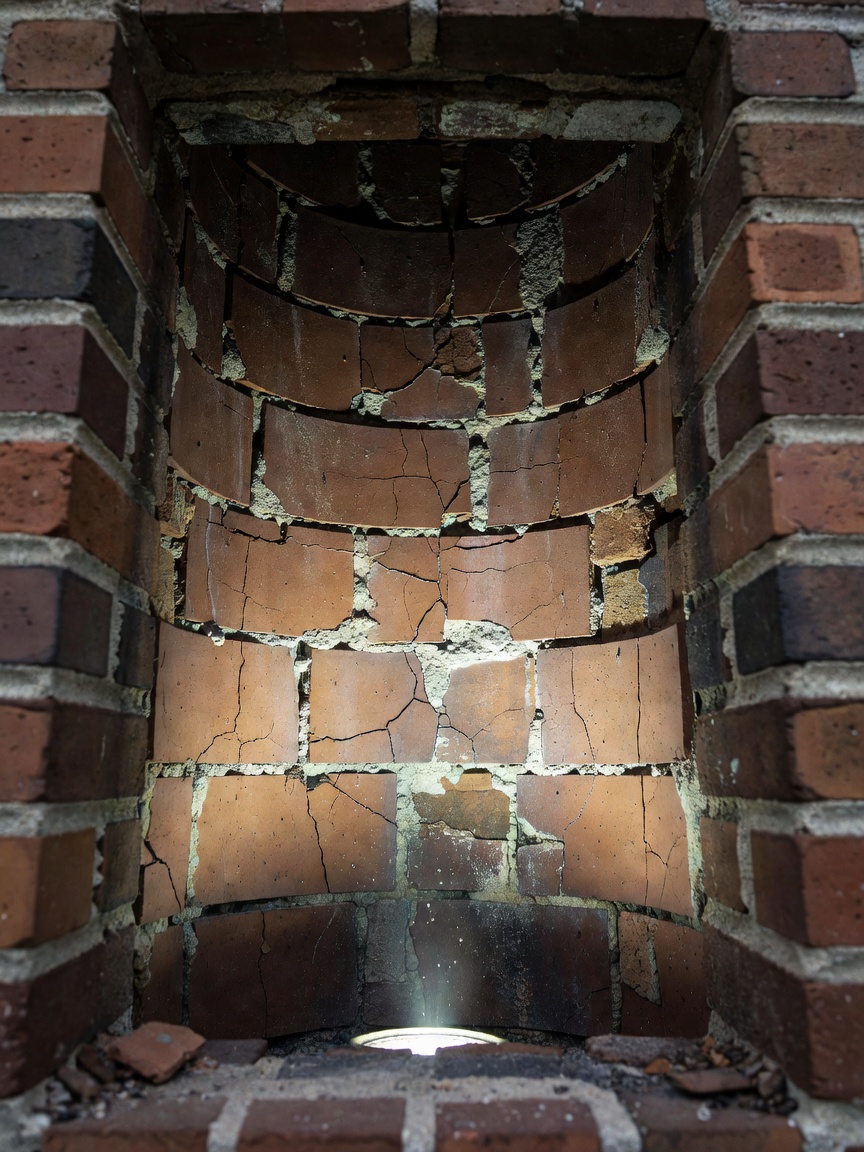
If your Clifton home needs chimney liner repair, the first step is determining how extensive the damage is and whether the existing liner can be restored. A damaged liner can affect how safely a chimney contains and vents combustion gases. Depending on the condition of the chimney, repair options may include replacing damaged clay tiles, applying an approved liner restoration system, or installing a new stainless-steel liner.
Chimney liner problems should not be ignored. Cracks, gaps, missing mortar, and deteriorated liner sections can compromise the chimney’s ability to contain heat and combustion byproducts. A professional inspection can help identify the problem and determine whether the fireplace or heating appliance should remain out of service until repairs are completed.
Why Clifton Chimney Liners May Need Repair
Clifton has an older housing stock. According to the city’s housing data, nearly 30% of its homes were built in 1939 or earlier, while another 40% were built between 1940 and 1959. Some older properties may still have original masonry chimneys or clay tile liners, although individual systems may have been repaired, replaced, or modified over the years.
Repeated heating and cooling can place stress on chimney materials. Moisture entering through damaged crowns, flashing, or masonry joints can also contribute to deterioration. When water reaches porous masonry or damaged liner joints, it can accelerate cracking and material breakdown.
Changes to heating equipment are another reason to evaluate an older chimney. A flue originally used with one appliance may not be suitable for a replacement appliance. For example, changing from an oil-fired appliance to a gas appliance can alter venting requirements. The new appliance must be matched with a properly sized and approved venting system.
This does not mean every older Clifton home has an unsuitable liner. The appliance specifications and chimney condition need to be assessed together.
What Chimney Liner Repair Involves
The correct repair depends on the liner material, the extent of deterioration, chimney construction, and the appliance connected to the flue.
Clay Tile Liner Repair
Many masonry chimneys use clay tile liners. These liners can develop cracks, gaps, displaced sections, or deterioration over time.
If the damage is limited, a qualified chimney professional may be able to repair an isolated section using an appropriate system. However, not every cracked tile can be repaired in place. The technician must determine whether the existing liner remains suitable for continued use and whether the proposed repair method is compatible with the chimney.
Stainless-Steel Chimney Relining
When the existing liner is extensively damaged or unsuitable for the connected appliance, installing a new liner may be necessary.
A stainless-steel liner system is one possible option. Its diameter, material, insulation requirements, and installation method must match the appliance and applicable listing requirements.
Before installation, the existing chimney should be evaluated and prepared. Significant structural defects, missing masonry, or deteriorated joints may need to be addressed before a new liner is installed.
Chimney Liner Restoration Systems
Some systems are designed to restore certain damaged masonry flues without removing every existing tile. These products have specific requirements involving chimney condition, dimensions, preparation, and application.
A restoration system should only be recommended when the existing chimney qualifies for that particular product. Ask the contractor for the manufacturer’s installation instructions, applicable approvals, and warranty information.
Multiple Flues in One Chimney
Some homes have more than one flue within a single masonry chimney. A fireplace and a heating appliance may each connect to separate flues.
Each flue should be evaluated according to the appliance it serves. Damage in one flue does not automatically mean that the other is defective, but the entire chimney should be assessed when conditions warrant it.
How a Chimney Liner Inspection Should Work
A liner repair project should begin with an inspection to establish the location and extent of the damage.
A Level 1 inspection may be appropriate for routine evaluation when the chimney and appliance are being used as before and no significant changes or damage are known.
A Level 2 inspection is more detailed and may be appropriate after a chimney fire or other potentially damaging event, when an appliance or fuel type changes, or when a property is sold or transferred. It includes examination of additional accessible areas and a video scan of the flue interior when possible.
A video scan can help document cracked tiles, displaced sections, obstructions, and other conditions that may not be visible from the fireplace opening. However, a Level 2 inspection is not automatically required for every liner repair. The inspection level should reflect the chimney’s history and condition.
After the inspection, the contractor should explain:
-
Where the damage is located
-
Whether the existing liner can be repaired
-
Whether relining is necessary
-
Whether additional masonry work is required
-
Whether the appliance can safely remain in use
-
What materials and installation methods are proposed
Ask for photographs or video documentation and a written estimate before approving the work.
Serving Clifton and Nearby Communities
Clifton is located in southern Passaic County and includes neighborhoods such as Allwood, Athenia, Botany Village, Lakeview, Montclair Heights, and Richfield. The city borders several communities in Passaic, Bergen, and Essex counties.
Chimney Passaic NJ is the company named in the original service information. Homeowners should confirm its current coverage before scheduling. Nearby communities that may also be relevant to a contractor’s service area include Passaic, Nutley, Little Falls, and Woodland Park.
How to Prepare for a Chimney Liner Repair Appointment
A few details can help the technician understand your system before arriving.
-
Identify the appliance: Tell the company whether the chimney serves a wood-burning fireplace, gas insert, furnace, boiler, or another appliance.
-
Share previous inspection reports: Existing photographs, video scans, or home inspection findings may help identify previously documented damage.
-
Describe any changes: Mention appliance replacements, fuel conversions, or previous chimney repairs.
-
Explain what you have noticed: Smoke entering the room, unusual odors, visible masonry deterioration, or a history of chimney fires are important details.
-
Ask about the inspection and estimate: Confirm what the initial appointment includes and whether camera inspection charges are separate.
The contractor should explain the findings before recommending additional work. Do not approve a full liner replacement without understanding why a localized repair would not be suitable, if one is being considered.
Frequently Asked Questions About Chimney Liner Repair in Clifton
My Clifton home has a gas furnace flue and a fireplace flue in the same chimney. Do both need to be inspected?
Each flue serves its own appliance and should be evaluated as a separate venting passage. They may have different liner materials, dimensions, and maintenance needs.
If both systems are part of the inspection request, tell the contractor so the appropriate flues can be assessed. The condition of one does not automatically establish the condition of the other.
A home inspector said my liner is cracked but functional. Can I still use the fireplace?
Do not treat the phrase “cracked but functional” as approval for continued use. A home inspection report may identify a visible condition without establishing whether the chimney can safely contain and vent combustion gases.
Have a qualified chimney professional evaluate the damage before using the appliance. The technician can determine whether the crack affects safe operation and whether repair or replacement is necessary.
How much does a stainless-steel liner installation cost in Clifton?
The cost depends on the chimney’s height, flue dimensions, accessibility, appliance type, liner material, insulation requirements, and condition of the existing masonry.
The original draft’s $1,800–$3,200 estimate should not be presented as a verified Clifton price without current contractor quotes. Request a written estimate based on the actual chimney and appliance.
Can a cracked clay tile liner be repaired without replacing the entire liner?
Sometimes. A localized repair may be possible when the damage is limited and the chimney qualifies for an approved repair method.
More extensive deterioration, displaced tiles, or structural problems may make a complete relining more appropriate. The inspection findings and product requirements should guide the recommendation.
How often should a chimney liner be inspected?
Chimneys and venting systems should be inspected at least annually under the commonly referenced NFPA 211 guidance. Cleaning and repairs should be performed when necessary based on the system’s condition and use.
An annual inspection does not mean every liner needs annual replacement or repair. It provides an opportunity to identify damage, deposits, and changes that may affect safe operation.
Schedule a Chimney Liner Inspection in Clifton
Cracked tiles, missing mortar, corrosion, and other liner defects deserve professional attention. If your chimney has not been inspected recently, or a previous report identified damage, arrange an evaluation before using the connected fireplace or heating appliance.
Chimney Passaic NJ is named in the original service information. Before scheduling, confirm that the company currently serves your Clifton address, ask whether it performs video inspections and liner repairs, and request a written estimate.
A proper inspection can help determine whether the existing liner can be restored or whether a replacement system is the better option. The goal is to choose a repair that matches the chimney, appliance, and condition of the existing structure.
Related from Chimney Passaic NJ: Chimney Liner Repair Passaic NJ · Chimney Liner Repair in Passaic
Worth knowing
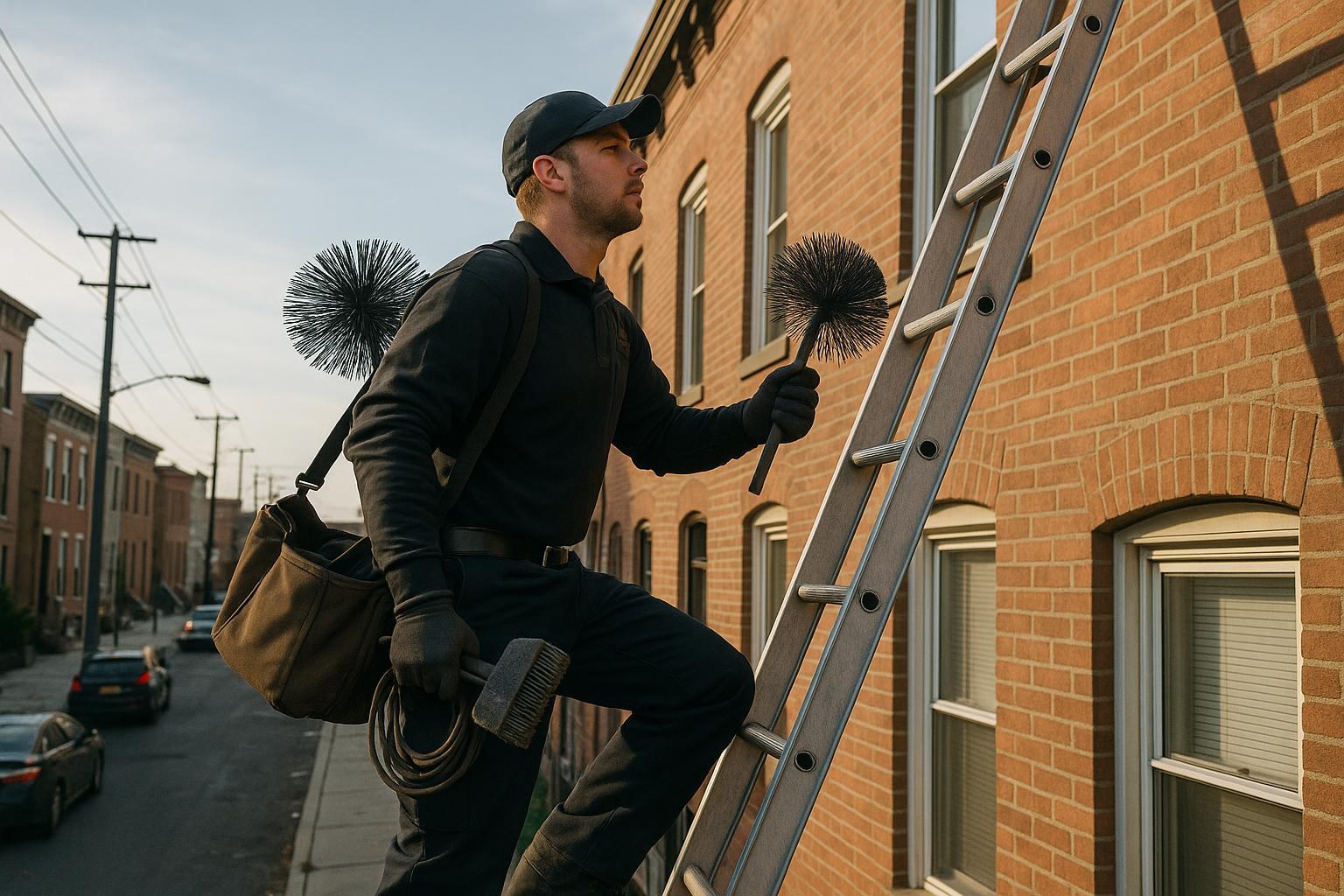
City chimneys work hard — multi-family flues, oil-to-gas conversions, and old brick all age faster than people think. Catching deterioration early keeps a repair from becoming a rebuild.