
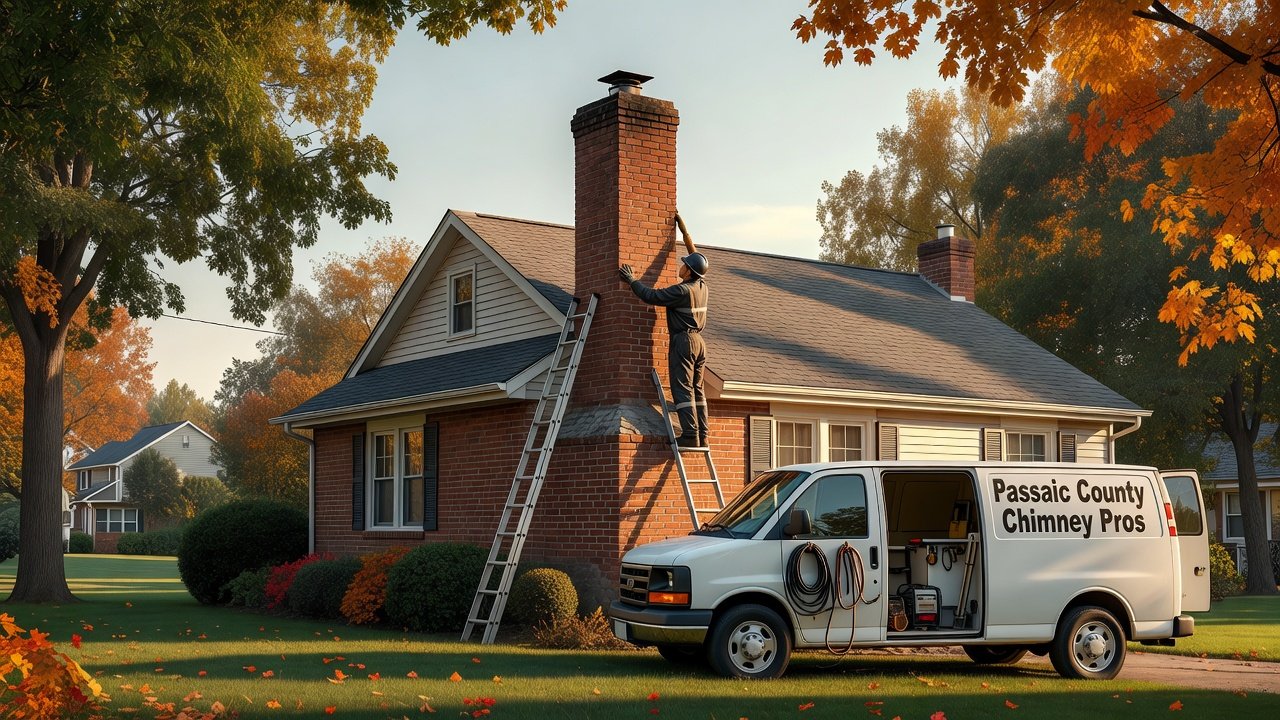
The Best Time to Schedule Creosote Removal in Passaic County and What It Costs to Wait
Most homeowners in Passaic County don’t think about creosote until something feels wrong. Maybe there’s a smoky odor coming from the fireplace, poor draft during a fire, or a chimney sweep discovers significant buildup during an inspection.
By then, what could have been a routine chimney cleaning may require more extensive and expensive service.
Creosote removal isn’t simply an annual task to check off your list. Timing matters. Scheduling your chimney service during the right season can save you money, improve fireplace performance, and significantly reduce the risk of chimney fires.
If you live in Passaic, Clifton, Garfield, or anywhere else in Passaic County, here’s what you should know.
Why Creosote Builds Up Faster in Passaic County
Northern New Jersey experiences long, cold winters, and many homeowners rely heavily on their fireplaces between December and February.
The more frequently a fireplace is used, the faster creosote can accumulate inside the chimney. Creosote forms when smoke cools before it exits the chimney. The condensed particles stick to the chimney liner and gradually build up over time.
According to the Chimney Safety Institute of America (CSIA), creosote develops in three stages:
- First-Degree Creosote: Light, flaky deposits that are relatively easy to remove.
- Second-Degree Creosote: Harder, tar-like deposits that require specialized cleaning equipment.
- Third-Degree Creosote: Thick, glazed creosote that is highly combustible and presents the greatest chimney fire risk.
The National Fire Protection Association (NFPA 211) recommends annual chimney inspections and cleaning for wood-burning systems. However, homeowners who use their fireplaces frequently during Passaic County winters may require more frequent maintenance.
Why Fall Is the Best Time for Creosote Removal
For most homeowners, the ideal time to schedule chimney cleaning is September through mid-October. This relatively short window offers several advantages.
Easier Scheduling
By early September, summer maintenance slows down and chimney companies typically have greater appointment availability.
Many homeowners wait until late October or November, creating a surge in demand throughout northern New Jersey. Scheduling early helps you avoid long wait times.
Better Inspection Conditions
By fall, creosote deposits from the previous heating season have fully hardened, making them easier to evaluate and remove.
Your technician can more accurately assess:
- Creosote buildup
- Chimney liner condition
- Draft performance
- Masonry damage
Any necessary repairs can be completed before cold weather returns.
Time to Address Repairs
If your inspection reveals:
- Second-degree creosote
- Cracked chimney liners
- Damaged chimney caps
- Masonry deterioration
you’ll have time to schedule repairs before relying on your fireplace throughout the winter.
What Happens If You Wait Until Winter?
Winter chimney cleaning is certainly possible, but it presents several challenges. Many homeowners don’t schedule service until they notice smoke, odors, or drafting problems after they’ve already started using the fireplace.
By then:
- Chimney companies are much busier.
- Appointment availability becomes limited.
- Emergency service requests increase.
- Repairs may need to be completed during freezing weather.
If your fireplace is already in use this season and your chimney hasn’t been cleaned recently, don’t wait until spring. Even relatively small amounts of heavy creosote can significantly increase the risk of a chimney fire.
Is Spring a Good Time for Chimney Cleaning?
Spring offers several benefits. Demand decreases after heating season ends, making scheduling easier. Some companies also offer seasonal promotions during April through June. However, spring cleaning isn’t always the ideal long-term strategy.
A freshly cleaned chimney may sit unused throughout the humid New Jersey summer. If your chimney already has small cracks, damaged mortar joints, or liner defects, moisture can continue causing deterioration while the chimney sits idle.
For many homeowners, a better strategy is:
- Schedule an inspection during spring if needed.
- Complete any repairs during summer.
- Schedule professional chimney cleaning in early fall before fireplace season begins.
Summer: The Best Time to Plan Ahead
Summer is when most homeowners completely forget about their chimney. Ironically, it’s one of the smartest times to schedule your fall appointment. By reserving your inspection early, you can avoid the fall rush that often leaves homeowners waiting weeks for service.
Summer also explains another common complaint. Many homeowners notice smoky odors coming from the fireplace even though they haven’t burned a fire in months.
That’s often caused by:
- Remaining creosote
- Warm weather
- High humidity
- Airflow changes inside the chimney
If your living room smells like smoke during July or August, accumulated creosote may be the cause.
What Does Creosote Removal Cost in Passaic County?
For most wood-burning fireplaces, professional chimney sweeping with creosote removal typically costs between $150 and $350
Pricing depends on several factors, including:
- Chimney height
- Flue length
- Accessibility
- Degree of creosote buildup
- Cleaning methods required
Heavy second- or third-degree creosote often requires specialized rotary equipment or chemical treatments.
These advanced cleaning methods may add approximately $75 to $150 to the overall service cost.
The Cost of Waiting
Routine chimney maintenance is significantly less expensive than repairing damage caused by neglect.
Typical costs may include:
| Service | Typical Cost |
|---|---|
| Standard Chimney Cleaning | $150–$350 |
| Heavy Creosote Treatment | Additional $75–$150 |
| Chimney Fire Repairs | $2,500–$8,000+ |
| Stainless Steel Chimney Relining | $3,000–$5,500 |
Annual chimney cleaning is one of the most cost-effective investments homeowners can make.
Preventive maintenance helps reduce the likelihood of chimney fires while extending the life of your chimney system.
Frequently Asked Questions
How often should creosote be removed?
The NFPA recommends annual chimney inspections. If creosote buildup is present, it should be professionally removed before it reaches hazardous levels.
When is the busiest season for chimney companies?
Late October through December is typically the busiest period. Scheduling during September or early October often provides better appointment availability.
Can I use my fireplace if I smell smoke during the summer?
A smoky odor during warm weather often indicates creosote buildup inside the chimney. It’s best to schedule a professional inspection before using the fireplace again.
Does every chimney need annual cleaning?
Not necessarily, but every chimney should be inspected annually. The amount of cleaning needed depends on how frequently the fireplace is used and how much creosote has accumulated.
Can delaying chimney cleaning increase repair costs?
Yes. Allowing creosote to accumulate can lead to chimney fires, liner damage, masonry deterioration, and significantly higher repair expenses.
Schedule Your Creosote Removal Before the Busy Season
The best time to schedule chimney cleaning isn’t after you notice a problem—it’s before fireplace season begins.
Homeowners throughout Passaic, Clifton, Garfield, and the surrounding Passaic County communities who schedule service in early fall often enjoy shorter wait times, easier scheduling, and more time to address repairs before winter arrives.
At Chimney Passaic, we provide professional chimney inspections, creosote removal, and fireplace maintenance using industry-approved methods that follow current CSIA and NFPA recommendations.
Our experienced technicians deliver detailed inspections, honest recommendations, transparent pricing, and no high-pressure sales tactics.
Contact Chimney Passaic today to schedule your free chimney inspection consultation and prepare your fireplace for a safe, efficient heating season.