
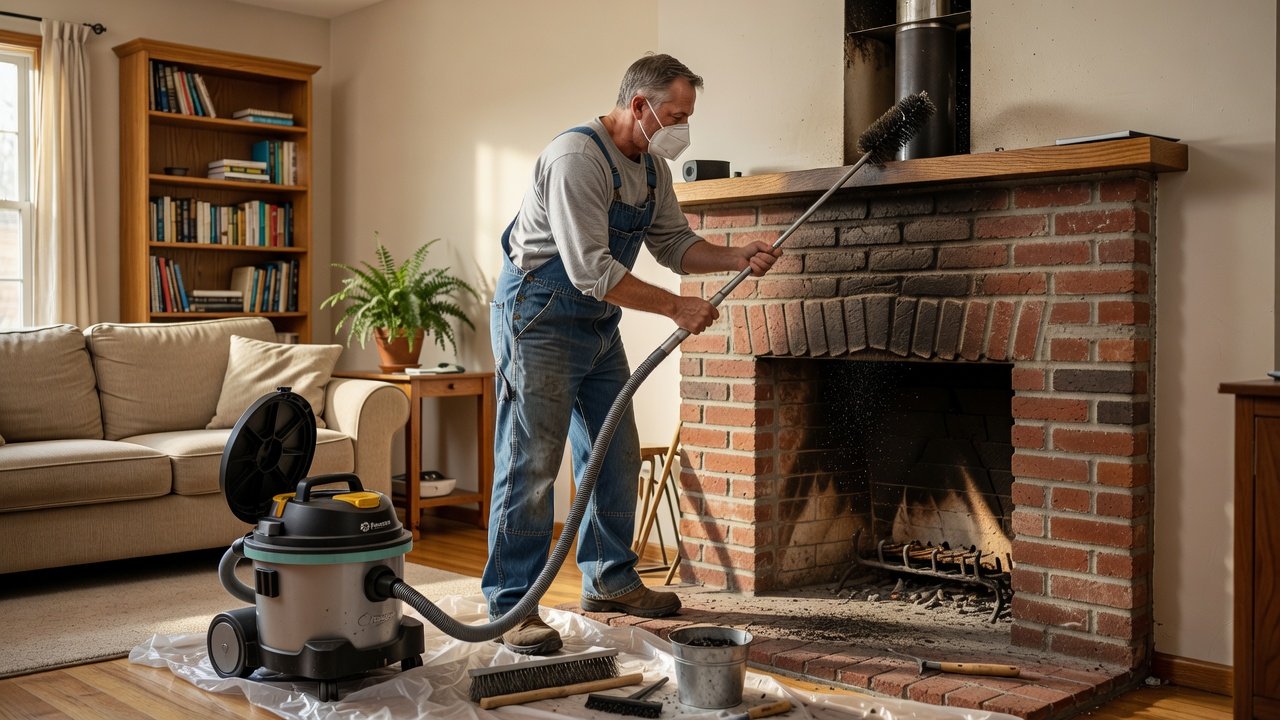
How to Get Your Fireplace Cleaned in Passaic, NJ Before the Next Fire Season
Before lighting your fireplace for the colder months, make sure your chimney is ready for use. Creosote buildup, blocked flues, and damaged chimney components can affect how smoke exits your home and may increase the risk of a chimney fire or carbon monoxide exposure.
For homeowners in Passaic, Clifton, Garfield, and nearby New Jersey communities, professional chimney maintenance is especially important when the fireplace has not been inspected recently or its service history is unknown. This guide explains what fireplace cleaning involves, how to choose a qualified chimney sweep, what can affect the cost, and what to check before the technician leaves.
Step 1: Understand What Fireplace Cleaning Includes
Fireplace cleaning involves more than removing ash from the firebox. Depending on the system and its condition, professional service may include removing soot and creosote from the flue, cleaning the smoke chamber and smoke shelf, clearing appropriate areas of the firebox, and checking accessible chimney components.
Creosote is a combustible byproduct of burning wood. It can accumulate on the inside of the flue, with deposits ranging from loose material to hard or glazed buildup. Heavy deposits can increase the risk of a chimney fire, while obstructions can interfere with proper venting.
The chimney’s design also matters. A traditional masonry fireplace with a clay tile liner has different components from a factory-built metal fireplace. Cleaning tools and techniques must be appropriate for the system so that the work does not damage the liner or other parts.
Ask the chimney sweep to explain what the quoted service includes. Confirm whether it covers the flue, smoke chamber, smoke shelf, firebox, and a visual inspection of accessible components.
Step 2: Arrange an Inspection Before Approving the Work
A chimney inspection helps identify damage, obstructions, and deposits that may require attention. The appropriate inspection level depends on the chimney’s history and condition.
-
Level 1 inspection: Generally appropriate for routine maintenance when the system has not changed and there are no known problems requiring a more extensive assessment.
-
Level 2 inspection: Commonly appropriate when a property is sold or transferred, an appliance or fuel type changes, or the chimney may have sustained damage. It includes additional accessible areas and an internal video examination of the flue when required by the applicable standard.
-
Level 3 inspection: May be necessary when a suspected hazard cannot be adequately evaluated through a less invasive inspection and additional access to concealed areas is needed.
If you recently purchased a home in Passaic, Garfield, or Clifton and do not know the chimney’s history, ask whether a Level 2 inspection is appropriate. A camera examination can help identify certain defects inside the flue that may not be visible from the fireplace opening.
Inspection and cleaning are related but separate tasks. The inspection findings help determine whether cleaning is needed and whether additional repairs should be considered. Ask the provider to explain the recommended scope before authorizing extra work.
Step 3: Choose a Qualified Chimney Sweep
When comparing chimney service providers, look for relevant training, verifiable credentials, appropriate insurance, and a clear explanation of the work.
The Chimney Safety Institute of America (CSIA) offers a Certified Chimney Sweep credential. Certification is voluntary, but it is a useful qualification to consider when choosing a professional. You can verify credentials and learn more through the official CSIA website.
Ask prospective providers:
-
Are your technicians currently CSIA-certified?
-
What type of fireplace and chimney systems do you service?
-
What inspection level do you recommend for my chimney, and why?
-
What cleaning method will you use?
-
Will you provide written findings and photographs when available?
-
Does the quote include cleaning, inspection, and cleanup?
-
Are additional repairs priced separately?
For chimney repair work, check the applicable New Jersey contractor registration requirements. The state’s Home Improvement Contractor Business resource provides registration and verification information. Requirements can depend on the type of work and any applicable exemptions.
Step 4: Prepare Your Home for the Appointment
A little preparation can help the appointment run smoothly and protect your belongings.
Before the technician arrives:
-
Make sure the fireplace has not been used recently and is completely cool.
-
Move furniture, rugs, and other belongings away from the fireplace opening.
-
Keep the hearth and work area accessible.
-
Tell the technician if you have noticed smoke entering the room, unusual odors, water leaks, animal activity, or loose masonry.
-
Mention whether the fireplace is wood-burning, gas-fired, or factory-built, and whether you have records of previous inspections or repairs.
Professional chimney sweeps commonly use protective coverings and suitable vacuum equipment to control soot and debris. Ask how the company will protect the room and clean up after the work.
If you have a gas fireplace or gas logs, tell the provider before the appointment. Gas appliances have different maintenance requirements, and the technician should confirm that the service is appropriate for your particular system.
Step 5: Understand What Affects Fireplace Cleaning Costs
The cost of fireplace cleaning in Passaic County depends on the system, the scope of work, and the chimney’s condition. A single standard cleaning price cannot accurately cover every situation.
Factors that may affect the estimate include:
The type of fireplace. Masonry fireplaces, factory-built fireplaces, wood stoves, and gas appliances have different service requirements.
The amount and condition of deposits. Ordinary soot and creosote may be easier to remove than hard or glazed deposits that require specialized equipment or additional treatment.
The inspection required. A routine inspection and a more extensive inspection are different services. A Level 2 inspection may involve additional examination and equipment.
Accessibility. Chimney height, roof access, and system configuration can affect the labor and precautions needed.
Repairs and additional work. A damaged liner, deteriorating mortar, faulty damper, or missing chimney cap may require work beyond cleaning.
Before booking, ask for a written estimate that identifies the included services and any additional charges. If the technician discovers a problem during the appointment, request an explanation and a separate estimate before approving non-emergency repairs.
Be cautious of unusually low advertised prices if the provider cannot explain what the service includes. At the same time, a higher quote is not automatically better; compare the scope of work, credentials, and documentation.
Step 6: Review the Findings Before the Technician Leaves
After the service, ask the technician to explain what was found and what work was completed. A written summary can help you keep track of the chimney’s condition and plan future maintenance.
Where appropriate, ask for documentation of:
-
The areas inspected and cleaned.
-
Any significant creosote deposits or obstructions found.
-
Visible damage to the liner, damper, masonry, or other accessible components.
-
Photographs or video of identified defects, when available.
-
Recommended repairs and whether the chimney should remain out of service until they are completed.
Keep the report with your home maintenance records. Documentation can help you compare future inspection findings and discuss the chimney’s history with contractors or your insurer. It does not, by itself, guarantee insurance coverage.
If the technician recommends an expensive repair, ask what evidence supports the recommendation and whether the chimney is safe to use before the work is completed.
Step 7: Plan Your Next Chimney Inspection
The National Fire Protection Association recommends having chimneys inspected at least once a year. Cleaning, maintenance, and repairs should be completed when needed.
The cleaning schedule depends on how often the fireplace is used, the type of fuel, the system’s design, and the deposits found during inspection. Annual inspection does not necessarily mean every chimney requires a full cleaning every year.
Scheduling before the coldest weather can give you time to address any problems identified. Keep a record of the service date and follow the technician’s recommendations for maintenance and repairs.
If you notice new smoke entering the room, unusual odors, damaged masonry, or debris falling into the firebox after the appointment, contact a qualified professional rather than assuming the chimney is ready for use.
Troubleshooting: What to Do If Smoke Enters the Room
Smoke spilling into your living space is a warning sign that the fireplace may not be venting properly. Possible causes include a blocked flue, a damper problem, inadequate draft, or air-pressure conditions inside the home.
Do not continue using the fireplace to test whether the problem resolves itself. Stop using it and arrange a professional assessment. Do not climb onto the roof or attempt to clear an inaccessible obstruction yourself.
If a carbon monoxide alarm sounds or anyone experiences symptoms that could indicate carbon monoxide exposure, leave the building immediately and contact emergency services.
After a recent cleaning, tell the provider exactly when the smoke problem occurs and whether it began before or after the appointment. Ask what inspection or follow-up assessment is appropriate; do not assume the cause without an evaluation.
Schedule Fireplace Cleaning in Passaic, NJ
Before the next fire season, make sure your fireplace and chimney have been inspected and that any necessary cleaning or repairs have been addressed. Understanding the condition of your system can help you make informed decisions about maintenance and safe operation.
Chimney Passaic serves Passaic, Clifton, Garfield, and surrounding communities. Contact the company to ask about fireplace cleaning, chimney inspections, and related services. Before scheduling, confirm the inspection fee, what the appointment includes, and whether cleaning or repairs are quoted separately.
A clear estimate and documented findings can help you understand what your chimney needs before you light your next fire.
Related from Chimney Passaic NJ: Chimney Cleaning in Passaic, NJ — Safe Heat Starts Here Every Season · Wood Burning Fireplace Maintenance in Passaic, NJ