
Fact-Checked
Source Material Verified
Creosote Removal in Passaic County, NJ: How to Time It Right and Avoid Costly Surprises
Most homeowners in Passaic, Clifton, and Garfield do not think about their chimney until they smell something unusual or notice smoke backing into the living room. By then, creosote may have been building inside the flue for months or even years. Proper timing can make creosote removal easier, reduce costs, and help homeowners address potential problems before the heating season begins.
Before You Schedule Creosote Removal
Creosote is a byproduct of burning wood that condenses inside the flue as smoke cools. It can develop in different forms. First-degree creosote is generally dusty and easier to remove. Second-degree deposits can become flaky or shiny, while third-degree creosote develops into a hard, tar-like glaze that is more difficult to remove.
The source recommends annual chimney inspections under NFPA 211 and emphasizes addressing creosote buildup before continued fireplace use. Before calling a chimney company, consider when you last burned wood and when the chimney was last professionally cleaned. That information can help the technician understand the system’s maintenance history.
Step 1: Schedule in Late Summer
August through mid-September can be an advantageous time to schedule chimney service in Passaic County. Chimney companies serving Passaic, Clifton, Woodland Park, and Garfield are generally less busy before the fall heating season.
By October, demand typically increases as homeowners begin preparing their fireplaces for colder weather. Waiting until November can mean longer appointment times and less flexibility.
Scheduling earlier also gives you time to address additional problems if the inspection reveals damaged masonry, a blocked flue, or a liner issue.
Step 2: Start With a Level 1 Inspection
Before cleaning begins, a certified technician should evaluate the accessible portions of the chimney system. A Level 1 inspection can include the firebox, damper, accessible flue areas, exterior crown, and visible signs of deterioration or blockage.
Older homes in Passaic County may have aging chimney systems or liners that require additional attention. An inspection can identify conditions that may affect how the cleaning should be performed.
The source estimates a Level 1 inspection at approximately $100 to $150, although some companies include it as part of a cleaning package.
Step 3: Understand What Creosote Removal Involves
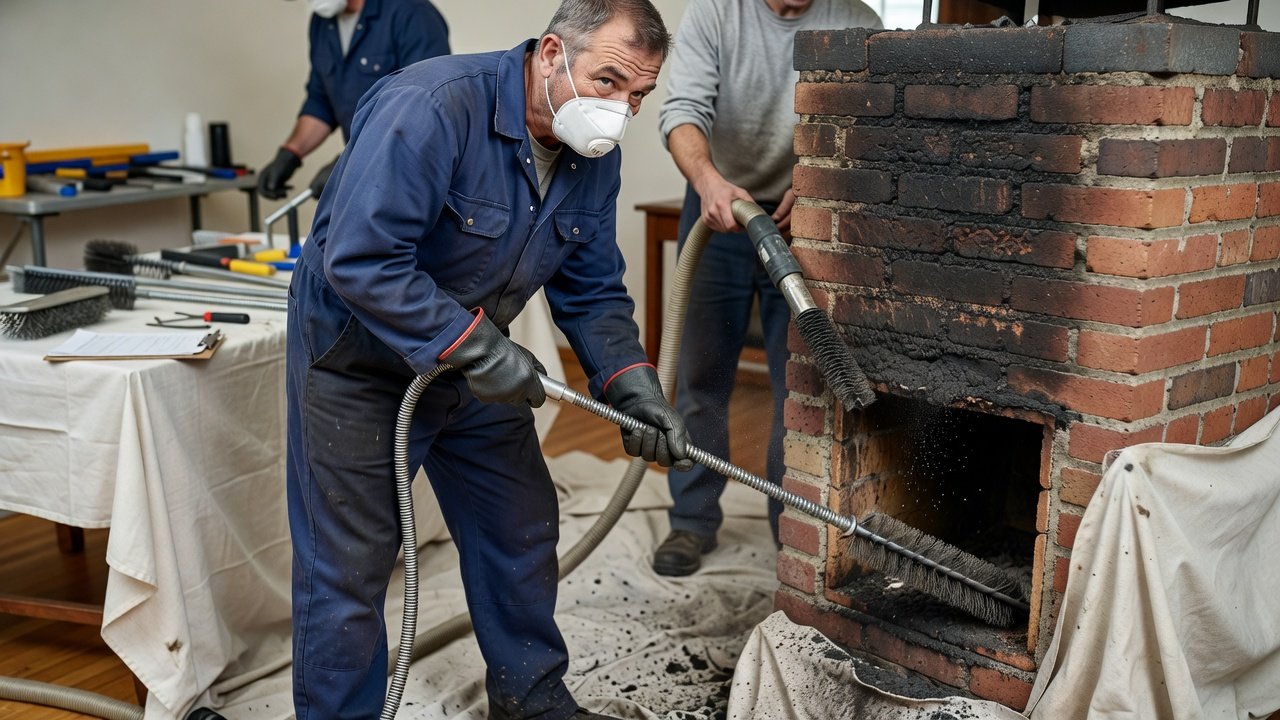
A standard cleaning may use rotary brushes, rods, and a commercial vacuum system to remove deposits from the flue. The firebox area should be properly contained to prevent soot and creosote particles from spreading throughout the home.
A light to moderate cleaning may take approximately 45 minutes to one hour, depending on the chimney system and buildup.
Third-degree creosote can require a more involved process. Chemical treatment may be used before mechanical removal, and some situations can require more than one visit.
The source estimates standard Stage 1 or Stage 2 cleaning in Passaic County at approximately $150 to $250, while more difficult Stage 3 removal can cost $300 to $600 or more depending on the amount of buildup and the work required.
Step 4: Ask About the Liner
If the technician performs a camera inspection, ask about the condition of the liner. Older clay tile liners can develop cracks or deterioration over time.
A compromised liner can affect how combustion gases and heat are contained within the chimney system. If significant damage is discovered, the technician should explain the findings and provide a written estimate for the recommended repair.
The source estimates a standard stainless steel liner installation in New Jersey at approximately $2,500 to $5,000. Finding a liner problem during a scheduled inspection gives you more time to consider repair options rather than discovering it during an emergency.
Step 5: Check the Technician’s Credentials
New Jersey does not issue a state-specific chimney contractor license, so homeowners should pay attention to professional credentials and insurance.
Ask whether the technician is a CSIA Certified Chimney Sweep and verify the certification. NFI certification can also indicate additional training, particularly for technicians working with fireplace and heating appliances.
A professional company should also carry appropriate liability insurance and workers’ compensation coverage. Ask for documentation rather than relying only on a verbal assurance.
Step 6: Plan the Next Cleaning
After the service is complete, ask the technician what they found and whether your fireplace use suggests a shorter cleaning interval.
Homeowners who burn significant amounts of wood may need more frequent service than those who use their fireplace occasionally. Discuss your usage with the technician and follow the maintenance schedule appropriate for your system.
Scheduling future service in advance can also help you avoid the rush that occurs when fall arrives.
Troubleshooting Tip: An Unusual Smell When the Fireplace Is Idle
A strong, oily, or acrid smell coming from an unused fireplace can indicate significant creosote buildup. Humid conditions can make chimney odors more noticeable.
If you notice a persistent unusual odor, avoid using the fireplace until the chimney has been evaluated. Rather than waiting for a routine appointment several weeks away, contact a qualified chimney professional and explain the symptoms.
Schedule Your Chimney Inspection Before the Rush
The best time to address creosote is before you need the fireplace. Late summer and early fall give Passaic County homeowners more time to schedule an inspection, remove buildup, and address any additional problems before colder weather arrives.
Chimney Passaic serves Passaic, Clifton, Garfield, Woodland Park, and surrounding Passaic County communities. Contact us to schedule a free chimney inspection and get a clear assessment of your creosote level, liner condition, and chimney system before the first fire of the season.
Related reading
Steve Kowalski, NFI Certified
Fireplace & Liner Specialist
Specializes in chimney liner installation and fireplace repair across Passaic County NJ.
Related from Chimney Passaic NJ: Annual Chimney Inspection County – Professional Chimney Safety Inspect · Chimney Liner Repair in Passaic, NJ