
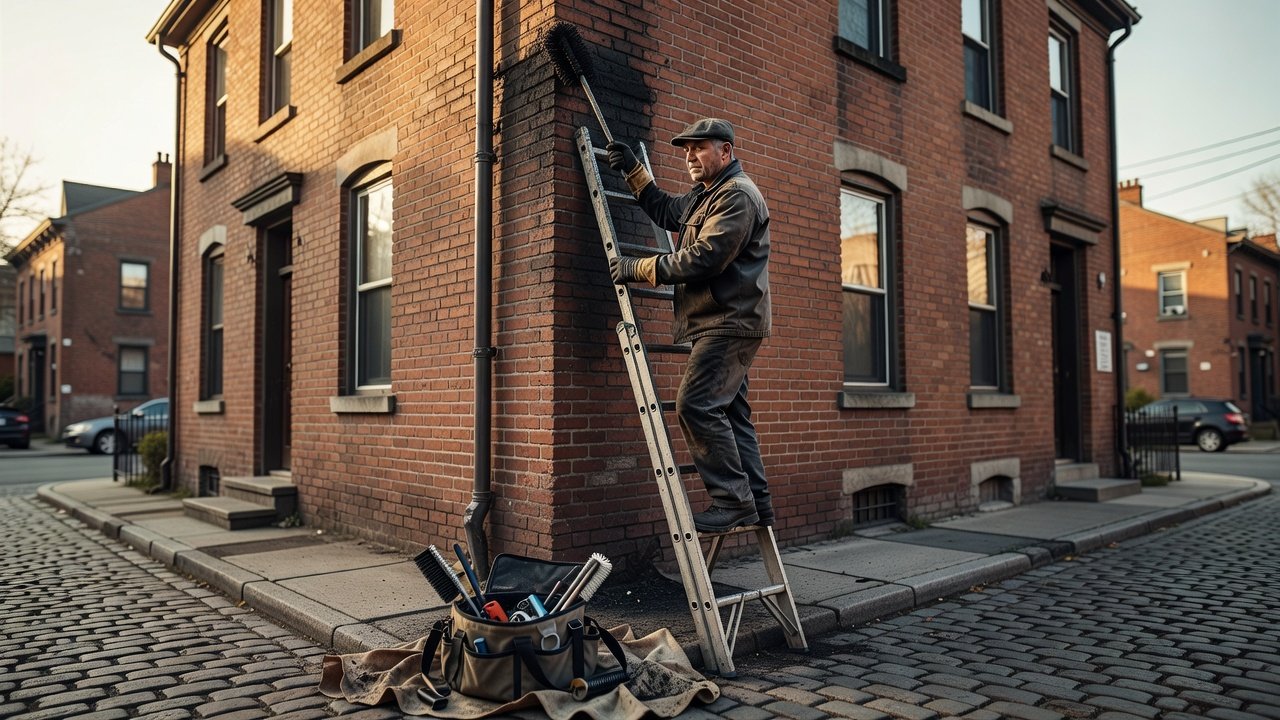
What a Chimney Sweep Actually Costs in Clifton and Garfield and How to Keep That Number Low
Most homeowners in Clifton and Garfield don’t think about scheduling a chimney sweep until the weather turns cold. By then, appointment calendars are packed, and what could have been a routine maintenance visit sometimes becomes a much larger repair. Understanding what affects chimney cleaning costs and knowing how to choose the right contractor can help you avoid unnecessary expenses while keeping your fireplace safe for the heating season.
Here’s what homeowners throughout Passaic County should know before booking a chimney sweep.
Start With Your Chimney’s History
Before calling a chimney company, gather a few basic details about your fireplace and chimney.
Ask yourself:
- When was the last chimney cleaning?
- How often do you use your fireplace?
- Do you burn seasoned hardwood or softer woods like pine?
- Have you noticed smoke entering the room?
- Does the fireplace have a strong smoky or musty odor?
- Have you seen white staining or water damage around the chimney?
These answers help determine how much work is likely required.
For example, a Garfield homeowner who burns wood throughout the winter and hasn’t had the chimney cleaned in several years will likely require more extensive service than someone in Clifton who uses a gas fireplace only occasionally.
It’s also worth confirming that the company employs CSIA Certified Chimney Sweeps. The Chimney Safety Institute of America certification demonstrates knowledge of NFPA 211 standards and nationally recognized chimney safety practices.
What a Standard Chimney Sweep Usually Costs
For most single-flue residential chimneys in Clifton and Garfield, homeowners can generally expect to pay between $150 and $250 for a standard chimney cleaning and Level 1 inspection.
A typical service usually includes:
- Sweeping the flue
- Cleaning accessible soot and creosote
- Visual inspection of the chimney system
- Basic assessment of the firebox and damper
- Written summary of findings
Additional services are typically priced separately, including:
- Camera inspections
- Animal nest removal
- Heavy creosote removal
- Minor masonry repairs
- Chimney cap replacement
Before scheduling, ask exactly what is included in the quoted price and what circumstances could result in additional charges.
What Makes Chimney Cleaning More Expensive?
Several factors can legitimately increase the cost of chimney service.
Heavy Creosote Buildup
Creosote develops in stages.
- Stage 1: Light, powdery deposits that remove easily.
- Stage 2: Sticky or tar-like buildup requiring more labor.
- Stage 3: Hardened glazed creosote that often requires specialized removal techniques.
Homes that haven’t been cleaned for several years often require additional work, increasing costs by approximately $75 to $200 or more, depending on the severity.
Chimney Height
Taller chimneys require additional setup, equipment, and labor. Multi-story homes common throughout Passaic County typically cost more to service than single-story homes.
Animal Intrusions
Bird nests, squirrels, raccoons, and other wildlife frequently enter uncapped chimneys. Removing nesting materials, sanitizing the flue, and restoring proper airflow adds both labor and materials to the project.
Missing Chimney Cap
A damaged or missing chimney cap allows rain, snow, and animals into the chimney.
Water intrusion can contribute to:
- Cracked flue liners
- Efflorescence
- Spalling brick
- Damaged mortar joints
Replacing a chimney cap generally costs $150 to $300, depending on size and material.
When a Level 2 Inspection Is Worth the Cost
NFPA 211 recommends a Level 2 chimney inspection whenever:
- You purchase or sell a home
- A chimney fire has occurred
- A new appliance is connected
- Structural damage is suspected
A Level 2 inspection includes a video camera examination of the full flue interior.
In the Clifton and Garfield area, homeowners typically pay $200 to $400 for this inspection in addition to cleaning. While it represents an additional expense, the camera inspection often identifies hidden liner cracks, deteriorated mortar joints, or blockages that cannot be detected during a standard visual inspection.
Always Get a Written Estimate
One of the simplest ways to avoid surprise charges is requesting a written estimate before work begins.
A professional proposal should clearly identify:
- Cleaning price
- Inspection level
- Additional services
- Possible extra charges
- Estimated completion time
Companies unwilling to provide written estimates deserve additional scrutiny.
Schedule Before Peak Season
Late summer through early fall is generally the best time to schedule chimney maintenance in northern New Jersey.
Benefits include:
- Greater appointment availability
- More scheduling flexibility
- Time to complete repairs before winter
- Less pressure during peak season
By November, many reputable chimney companies throughout Passaic County are booked several weeks in advance.
Ask for Documentation After the Service
A quality chimney sweep should leave you with documentation of the work performed.
That typically includes:
- Inspection findings
- Cleaning completed
- Photos when appropriate
- Recommended repairs, if needed
Keeping these reports creates a valuable maintenance history for future inspections and can be helpful for insurance documentation if a chimney-related issue ever arises.
Smoke Isn’t Always Caused by a Dirty Chimney
Many homeowners assume smoke entering the room automatically means the chimney needs cleaning. Sometimes that’s true.
Other possible causes include:
- A cold chimney that hasn’t established draft
- Negative air pressure inside the home
- A damaged or improperly adjusted damper
- An improperly sized flue
- Ventilation issues elsewhere in the house
A CSIA-certified chimney professional should diagnose the actual cause before recommending repairs or additional services.
Frequently Asked Questions
How much does chimney cleaning cost in Clifton and Garfield?
Most standard chimney cleaning services cost between $150 and $250 for a single-flue residential fireplace, depending on accessibility and the condition of the chimney.
How often should my chimney be cleaned?
NFPA 211 recommends annual chimney inspections, with cleaning performed whenever creosote buildup warrants it. Homes using wood-burning fireplaces regularly typically benefit from yearly service.
What is included in a standard chimney sweep?
A standard service generally includes chimney sweeping, removal of accessible soot and creosote, a Level 1 visual inspection, and a written summary of any findings.
When do I need a Level 2 inspection?
Level 2 inspections are recommended when purchasing a home, after a chimney fire, following significant structural changes, or whenever a new appliance is connected to the chimney.
How can I avoid paying more than necessary?
Scheduling chimney maintenance before the busy fall season, keeping up with annual cleanings, and requesting detailed written estimates can help prevent unnecessary costs and unexpected repairs.
Schedule Your Free Chimney Inspection
Regular chimney maintenance helps identify problems before they become expensive repairs. Whether your fireplace is used every weekend or only a few times each winter, annual inspections remain one of the most effective ways to protect your home and your family.
Contact Chimney Passaic today to schedule your free inspection and prepare your fireplace for the heating season with confidence.