
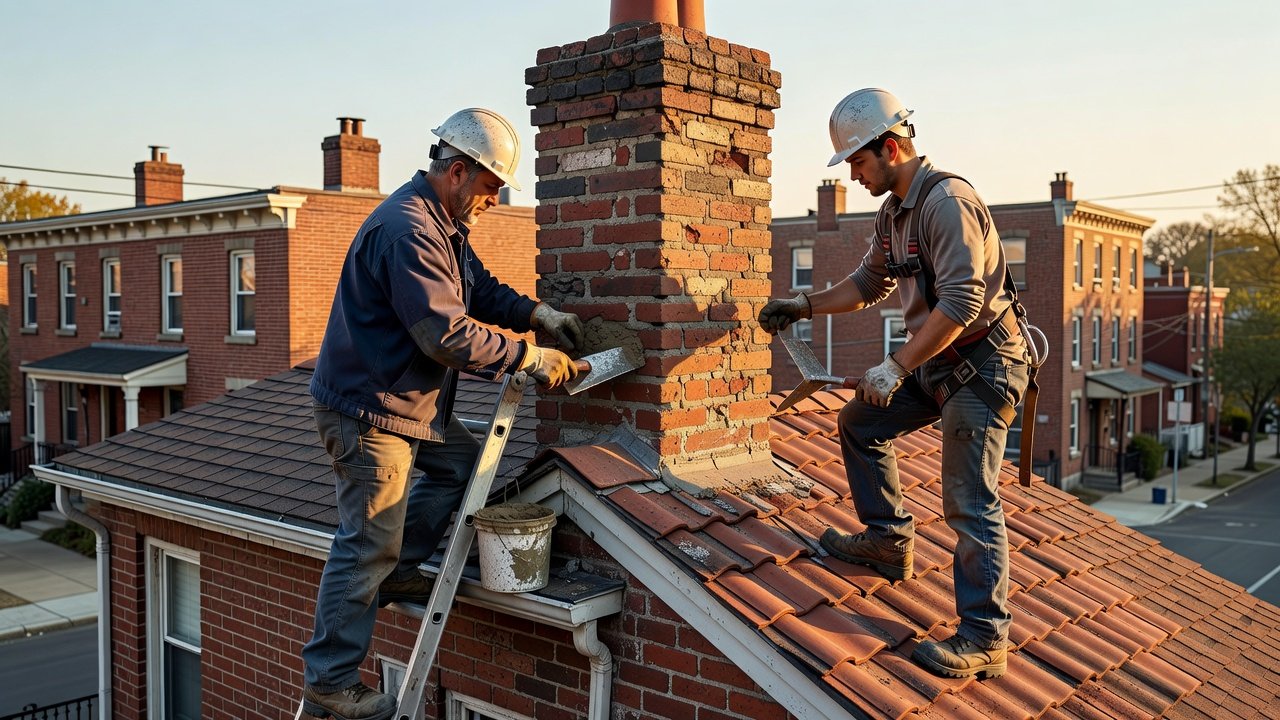
Chimney Repair in Paterson, NJ: When to Schedule It and What the Job Involves
Chimney repairs in Paterson, NJ, can often be completed throughout the year, but the weather, repair method, and condition of the chimney affect scheduling. Late summer and early fall can be convenient times to arrange repairs before the heating season, while spring offers another opportunity to address winter damage. Some work can be completed during colder months, but masonry repairs may require special materials or protection when temperatures drop. If your chimney has a cracked liner, deteriorating mortar, or other suspected safety problem, have it assessed promptly rather than waiting for a particular season.
What Chimney Damage Looks Like Before You Call for Repairs
Some chimney problems are visible from the ground, while others require a closer inspection. Paterson homeowners may notice white staining on exterior brick, loose mortar, pieces of masonry in the firebox, or sections of brick that are flaking apart. These signs can indicate moisture intrusion or deterioration, although the exact cause needs to be assessed.
White deposits on brick, known as efflorescence, form when moisture carries soluble salts to the masonry surface. Spalling occurs when the face of a brick flakes or breaks away. Water exposure and freeze-thaw cycles can contribute to both problems.
The chimney crown, which covers the top of many masonry chimneys, helps keep water out. Cracks or deterioration in the crown can allow moisture to enter the structure. Damaged flashing, open mortar joints, and a deteriorated cap can also contribute to water-related problems.
The flue liner is another important component. It helps contain combustion products and protect surrounding materials from heat. Cracked or displaced flue tiles may require repair or replacement, depending on the condition of the chimney and the connected appliance.
A qualified chimney professional can inspect the accessible components, identify visible defects, and determine whether a more detailed examination is needed. If you suspect a chimney fire or a serious venting problem, stop using the fireplace until it has been professionally evaluated.
Spring: A Good Time to Address Winter Damage
Spring can be a practical time to inspect and repair a chimney after months of cold weather. Freeze-thaw cycles, rain, and snow can expose existing weaknesses in masonry, crowns, and flashing.
An inspection can help identify cracked mortar joints, loose bricks, water entry points, or other deterioration that needs attention before the next heating season. If repairs are needed, arranging them in spring may provide more scheduling flexibility than waiting until autumn.
Masonry work does require suitable weather conditions. Mortar and grout develop strength through hydration, and cold temperatures can slow that process. Industry guidance treats temperatures below 40°F as requiring special cold-weather procedures and protection in certain circumstances. Work may still be possible in colder weather, but the contractor needs to follow the appropriate material and construction requirements.
Ask how the contractor will protect fresh mortar or other repair materials if temperatures are expected to fall. Do not assume every spring day is suitable for masonry work, particularly during cold spells or prolonged wet weather.
Late Summer and Early Fall: Plan Before the Heating Season
Late summer and early fall can be convenient times to arrange chimney repairs because homeowners have an opportunity to address problems before regular fireplace use begins. Scheduling ahead can also help avoid the busiest part of the autumn service season.
This is a useful time to assess the chimney crown, exterior masonry, flashing, damper, and flue liner. If an inspection identifies a defect, allow time to review the estimate and complete the work before relying on the fireplace.
An annual chimney inspection is recommended regardless of how frequently the system is used. The Chimney Safety Institute of America follows NFPA 211 guidance that chimneys, fireplaces, and vents should be inspected at least once a year and cleaned, maintained, or repaired as necessary.
However, a Level II inspection is not automatically required before every repair. The appropriate inspection level depends on the circumstances, such as whether the appliance or fuel has changed, the property is being sold or transferred, or an event may have damaged the chimney.
What the Chimney Repair Process Involves
A chimney repair project should begin with an assessment of the reported problem. The professional may examine the firebox, damper, smoke chamber, flue liner, chimney crown, flashing, and accessible exterior masonry, depending on the system and the inspection level.
If the inspection identifies a defect, ask for a written estimate that describes the recommended work and explains why it is needed. For a suspected liner problem, the professional may recommend an internal camera inspection when appropriate to assess accessible areas of the flue.
Common chimney repairs include:
Chimney crown repair: Cracks and deterioration may allow water to enter the masonry. The appropriate repair depends on the crown’s condition and construction.
Tuckpointing: Deteriorated mortar is removed from masonry joints and replaced with compatible mortar. The repair material should suit the existing brick and the requirements of the job.
Brick replacement: Severely damaged or loose bricks may need to be replaced. The cause of the damage should also be addressed to help prevent recurrence.
Chimney liner repair or replacement: Cracked, separated, or otherwise deteriorated liners may require a suitable repair or replacement system. The choice depends on the liner’s condition, appliance, and applicable requirements.
Damper repair or replacement: A damaged or poorly functioning damper may need adjustment, repair, or replacement, depending on its design and condition.
The time required varies by project. A limited repair may be completed in a single visit, while extensive masonry work or liner replacement can take longer. Weather, access, materials, and the extent of the damage all affect the schedule.
Before work begins, confirm the scope, expected timeline, cleanup arrangements, and whether the contractor will obtain any required permits. If additional damage is discovered, ask for an explanation and an updated estimate before authorizing extra work.
How Much Does Chimney Repair Cost in Paterson?
Chimney repair costs depend on the type of damage, the amount of material involved, the chimney’s height, roof access, and the repair method. Minor repairs generally cost less than extensive masonry rebuilding or liner replacement, but there is no single price that applies to every chimney.
For a useful estimate, ask the contractor to separate labor, materials, access equipment, permit fees, and any additional services. If a major repair is recommended, request a clear explanation of the defect and why the proposed solution is appropriate.
Obtain more than one estimate when practical, making sure each contractor is pricing the same scope of work. A lower quote may exclude important work or use a different repair method, so compare the details rather than the total alone.
Any published price ranges should be based on current local quotes or reliable cost data. Estimates from other regions may not reflect what homeowners in Paterson will actually pay.
Winter Chimney Repairs: What Homeowners Should Know
Chimney repairs can sometimes be completed during winter, but cold weather may affect the materials and methods that can be used. Mortar and grout may develop strength more slowly in low temperatures, and certain jobs require protective measures to prevent freezing or moisture-related problems.
The contractor should assess the weather forecast, repair materials, and site conditions before starting. If the repair involves masonry, ask what precautions will be used to protect the work while it cures.
Do not postpone an urgent safety assessment just because it is winter. If the chimney may be damaged or unsafe to use, stop using the fireplace and arrange a professional evaluation. The need to protect occupants and address a potentially hazardous defect takes priority over waiting for the ideal season.
Why Delaying Chimney Repairs Can Make Things Worse
Moisture-related damage can progress when water continues to enter masonry. Cracks, open mortar joints, or deteriorated crowns may allow further water intrusion, and freeze-thaw cycles can worsen existing defects.
However, not every crack or stain means that major structural damage has occurred. An inspection is needed to establish the extent of the problem and determine whether repair is necessary.
Addressing a defect when it is identified may help limit further deterioration. Ask the contractor to explain the likely cause, the recommended repair, and whether any maintenance could help reduce future exposure to moisture.
For chimneys with damaged liners, displaced masonry, or other defects that may affect safe operation, do not continue using the system until a qualified professional has assessed it.
Chimney Repair in Paterson, NJ
Homeowners in Paterson and nearby Passaic County communities can benefit from having chimney problems assessed before the heating season. Look for a qualified contractor who explains the findings, provides a written estimate, and can describe the proposed repair method.
Chimney Passaic can be presented as a local service option once its current service area, qualifications, and inspection offers have been confirmed. If the company offers free inspections or estimates, verify the terms before advertising them.
If you have noticed loose mortar, damaged brick, white staining, or other signs of deterioration, arrange an assessment to determine what is happening. A clear diagnosis and written scope of work will help you decide what repairs are needed and plan the next steps.
Related from Chimney Passaic NJ: Annual Chimney Inspection County – Professional Chimney Safety Inspect · Chimney Liner Repair in Passaic