
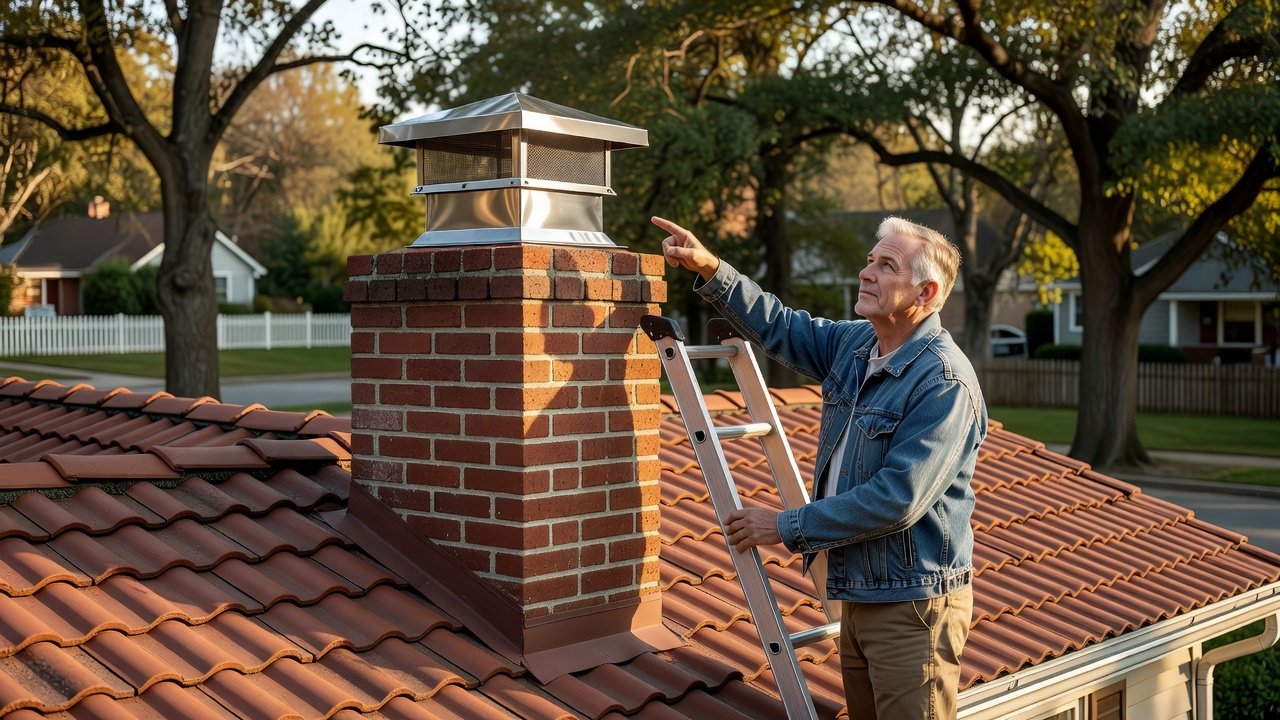
What Most Passaic County Homeowners Get Wrong About Chimney Cap Installation
A chimney cap is one of the least expensive components of a chimney system, yet it’s also one of the most commonly misunderstood. Many homeowners in Passaic, Clifton, Garfield, and throughout Passaic County only begin asking about chimney caps after water enters the fireplace, animals find their way into the flue, or an inspection reveals moisture-related deterioration.
Here are some of the most common misconceptions about chimney cap installation and what homeowners should know.
“My Chimney Already Has a Cover Up There”
This is one of the most common points of confusion.
Many homes have a chase cover, which is a metal cover installed over a prefabricated chimney chase, but that is different from a chimney cap, which fits directly over the flue opening.
A chase cover helps protect the top of the chimney chase from water, while a chimney cap covers the flue opening with a rain hood and protective mesh designed to help keep out rain, debris, and animals.
Older masonry homes throughout Passaic County may have neither. If your chimney has not been inspected recently, it’s worth confirming whether a properly fitted chimney cap is installed and in good condition.
“A Cap Is Just to Keep Rain Out”
Keeping rain out is one of a chimney cap’s most important jobs, but it serves several other purposes as well.
According to the Chimney Safety Institute of America (CSIA), moisture is one of the leading causes of chimney deterioration. A properly installed chimney cap helps reduce water intrusion that can contribute to damaged masonry, deteriorating mortar, and chimney liner problems.
The protective mesh also helps reduce the likelihood of birds, squirrels, raccoons, and other wildlife entering the chimney, while helping keep leaves and other debris from blocking the flue.
Many chimney caps also function as spark arrestors by helping reduce the chance that embers leave the chimney during fireplace use.
“Any Cap from the Hardware Store Will Work”
Not every chimney cap fits every chimney.
Flue tile dimensions, chimney liner sizes, and chimney designs vary from one home to another. A cap that does not fit properly may shift during high winds or fail to provide adequate protection.
Material selection is also important. Stainless steel chimney caps generally provide greater long-term durability than galvanized steel, particularly in climates that experience regular freeze-thaw cycles.
Professional chimney cap installation begins with measuring the chimney to ensure the cap is properly sized for the flue.
“Installation Is a DIY Afternoon Project”
Some chimney cap replacements may appear straightforward, but proper installation involves more than attaching new hardware.
Before installing a chimney cap, a professional chimney inspection typically evaluates the chimney crown, flue tile, masonry, and any existing cap to identify damage that should be addressed first.
If the chimney crown is cracked or deteriorated, repairs are often recommended before installing a new chimney cap to help reduce future moisture intrusion.
“Chimney Cap Costs Are Unpredictable and Probably Expensive”
Many homeowners are surprised to learn that chimney cap installation is often one of the more affordable chimney maintenance services.
For most single-flue masonry chimneys in Passaic County, a quality stainless steel chimney cap with professional installation typically ranges from approximately $150 to $350, depending on flue size, accessibility, and chimney configuration.
Multi-flue chimneys or larger outside-mount chimney caps generally range from approximately $300 to $500.
If chimney crown repairs are recommended during the same visit, homeowners can generally expect to pay approximately $200 to $400 for a standard crown coating application, depending on the condition of the chimney.
More extensive chimney repairs, such as stainless-steel liner installation, may range from approximately $2,500 to $5,000 or more, depending on the chimney system and scope of work.
The Chimney Safety Institute of America (CSIA) recommends annual chimney inspections, making chimney cap installation or replacement a service that can often be completed during the same appointment if needed.
“If the Fireplace Draws Fine, the Cap Must Be Okay”
A properly drafting fireplace does not necessarily mean the chimney cap is in good condition.
A damaged, rusted, loose, or missing chimney cap may not noticeably affect fireplace performance until moisture intrusion, debris buildup, or animal activity begins affecting the chimney system.
The only reliable way to verify that a chimney cap is present, properly fitted, and functioning as intended is through a professional chimney inspection performed from the roof or with appropriate inspection equipment.
The National Fire Protection Association (NFPA 211) recommends annual chimney inspections to identify developing maintenance issues before they become more costly repairs.
Schedule a Professional Chimney Inspection in Passaic County
If you’re unsure whether your chimney has a properly installed chimney cap, or if it has not been inspected since purchasing your home, scheduling a professional chimney inspection is a practical first step.
Chimney Passaic proudly serves homeowners throughout Passaic, Clifton, Garfield, and surrounding Passaic County communities with chimney inspections, chimney cap installation, chimney crown repair, chimney cleaning, and chimney maintenance services.
Contact us today to schedule a professional chimney inspection and learn more about the condition of your chimney system.